Brand Personality

Personality is the combination of characteristics that form an individual’s distinctive character. Brand personality describes the way in which consumers perceive a brand in terms of human characteristics. It is also generally closely associated with a person’s self-perception and in the context of Dove, consumer’s self-image undergoes transformation by redefining the perception of one’s own beauty. Therefore, a key concept of brand personality is that consumers will choose brands that have a similar brand personality to their own (Solomon et al., 2019).
There are five main types of brand personalities with common traits:

  • Excitement: carefree, spirited, and youthful
  • Sincerity: kindness, thoughtfulness, and embodiment of family values
  • Ruggedness: rough, tough, outdoorsy, and athletic
  • Competence: successful, accomplished and influential
  • Sophistication: elegant, prestigious, perhaps pretentious

Brands construct their brand personality based on the demographic of their target markets. The main reason marketers do this is because the more consumers feel they can relate and find similarities between their own personalities and the brand personality, the greater likelihood of brand loyalty. In the case of Dove and the concept of self, the brand promotes the idea of acceptance and worthiness, by others and by yourself.

“Self-congruity is the extent brand personality and self-concept are compatible. It is the match between the product’s value-expressive attributes and the audience’s self-concept. Self-concept influences consumer behavior in a way that results in the purchase of a product” (Johar & Sirgy, 1991, p. 24)

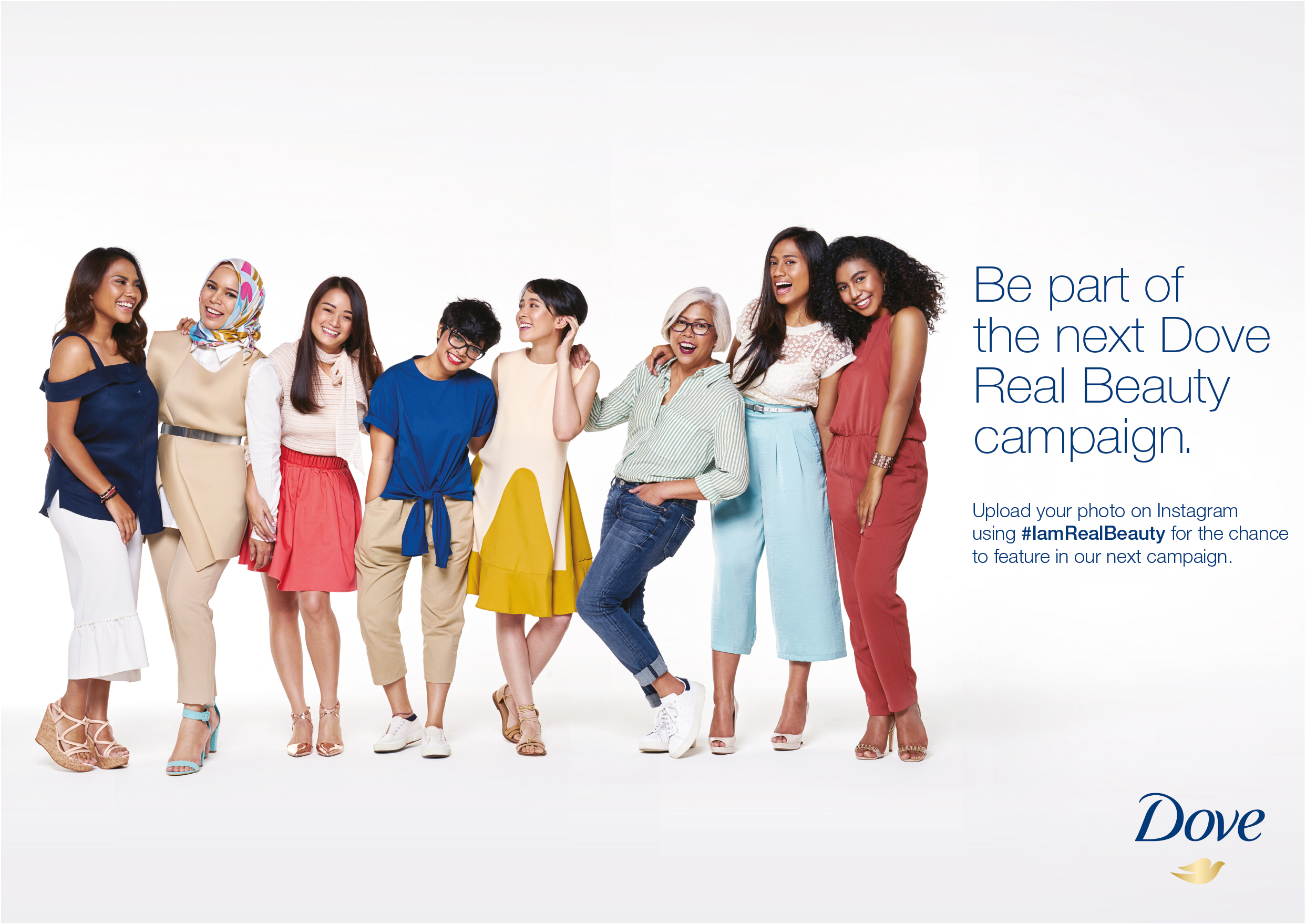
Dove’s brand personality revolves around self-acceptance, confidence, trust and care and therefore fits into the category of being a “sincerity” brand. This is immediately evident in their name and logo as the dove universally symbolizes innocence, gentleness and peace. In Dove’s campaign, the message involves transformation and redefining the perception of one’s beauty. The brand itself seeks to address itself to all women. The brand defines itself as wanting to unite women around the primary value of femininity thus introducing other very feminine values such as tolerance and accepting differences.

This strategy is a great way to differentiate from competitors as well as appeal to consumers who value “real” beauty. This kind of brand congruence encourages and increases brand loyalty. By using this disarming honesty approach, the target audience feels represented because Dove uses “real” people instead of celebrities. This strategy is even more deluding because it is representing itself as the real truth or reality despite the fact that models are still meticulously chosen, photographs are staged, and skin is clearer than average. Yet this campaign is more effectively assimilated into the social identities of its audience because it gives them an opportunity to project themselves into the ad and relate in a different way than competitors have.

The Dove “Real Beauty” advertising campaign is focused mainly on brand identity as opposed to product promotion. The awareness campaigns target the confidence and self-esteem of women and rather than push product promotions in order to differentiate themselves from their competitors, Dove created an entire social campaign. In doing so they have developed an utterly unique brand personality.

References:
https://www.investopedia.com/terms/b/brand-personality.asp
https://www.researchgate.net/figure/Dove-print-ads-for-Real-Beauty-Source-Unilever-2008_fig2_263373886
http://t.www.na-businesspress.com/JMDC/BockornyKM_Web8_3_.pdf
Solomon M.R, Russell-Bennett R & J Previte 2019, Consumer Behaviour: Buying, Having, Being, 4th edn, Pearson Australia, Melbourne
Motivation

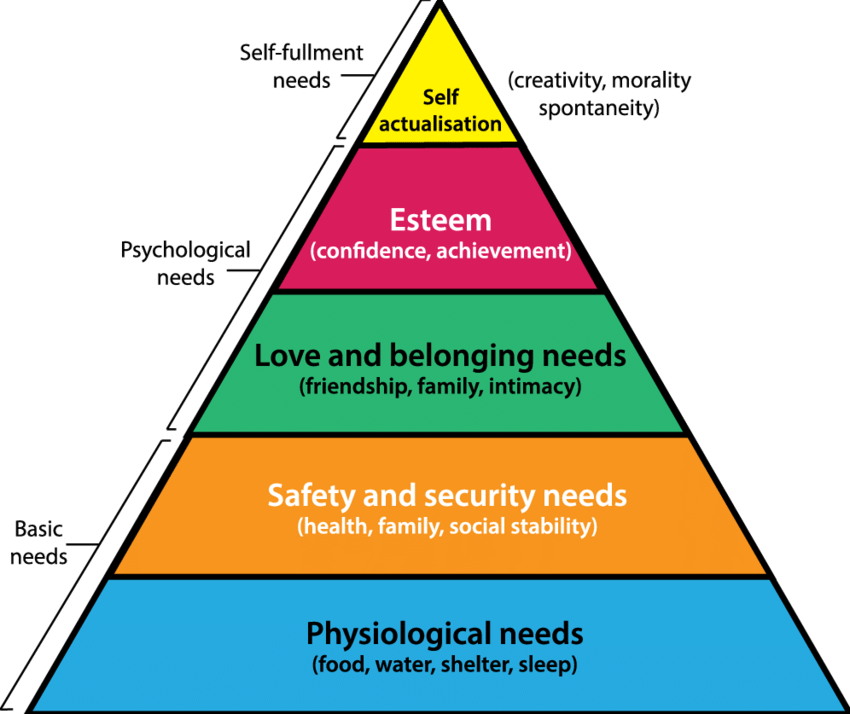
Motivations are the cause behind every decision a person makes. It is the drive that compels them to act and behave a certain way and influences all of their purchase decisions. Solomon et al. (2018) defines motivation as the “activation of goal-oriented behaviour”. In the context of marketing, it is generally referring to the drive a consumer feels to satisfy their needs. Marketers must answer the question: why do consumers purchase their brand? Understanding motivation is crucial to understanding why consumers buy a certain brand. Many marketers closely relate the topic of motivation to Maslow’s Hierarchy of Needs when considering how to fulfil the needs of their target market.

The lowest levels of the hierarchy involve fulfilling the most basic human needs to survive. These physiological needs include shelter and food whilst the highest. The higher up the tiers, the more complex the needs become, and it is thought that that the lower needs must be satisfied first before the higher order needs can be met or addressed. We are constantly striving to progress up the pyramid and satisfy the next set of needs.

Although mostly categorized as belonging to the “Esteem” tier of Maslow’s model, with the launch of Dove’s “Campaign for Real Beauty”, the brand has pushed itself upwards somewhat more towards “Self-actualization”. The brand uses their advertisements in order to reduce the disparity between consumer’s actual and ideal selves. The campaign challenges traditional ideas of beauty and markets themselves as “the largest provider of body confidence education in the world”.

Dove delivers body confidence and self-esteem by using a diverse range of body shapes and claiming that no images have been enhanced or photoshopped for their ad campaigns. The application of the self-congruence theory in their advertisements by using average looking women served to create an emotional connection with consumers which is demonstrated by a study in 2015 (Khanom, 2015) in which the majority of 16-24-year-old consumers stated that Dove boosted their confidence as it promotes the perception of “real” beauty. Consumers with both high and low self esteem are motivated to feel good about themselves and are likely to form a positive emotional connection with the brand through their promotions. Consumers with a high self-esteem will form this bond through the process of self-verification while those with low self-esteem use self enhancement.

Research shows that the vast majority of young girls and women are concerned with their appearance. Dove’s campaign assures these women that not only that they can look beautiful, but that they already are beautiful… with Dove products.

References:
Image 1- https://www.researchgate.net/figure/Maslows-1943-hierarchy-of-needs_fig1_309827408
Image 2- https://www.aforadio.com/events/announcing-iamrealbeauty-casting-the-real-women-of-malaysia-for-dove-s-next-real-beauty-campaign-aforadio-com
Video- https://www.youtube.com/watch?v=wpM499XhMJQ

Making Decisions in Real Life

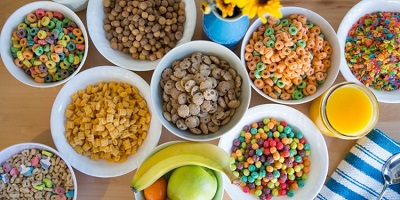
Weet-bix or Cornflakes? Call or text? Tie or no tie? It is estimated that adults make around 35,000 decisions every single day. Which sounds ridiculous but according to recent studies, we make almost 230 decisions per day based on food alone (Wansink and Sobal, 2007).

As your level of responsibility increases, so too does the sheer amount of decisions you must make. What to eat? What to wear? How to vote? Who do we spend our time with? Each choice we make carries with it certain consequences for the future. Most of our daily decisions are fairly trivial and require little to no thought at all but believe it or not there is a decision-making process that we all go through regardless of how big or important the decision itself is.

My most recent experience with an important purchase came in the form of buying new tyres for my car. I had been told in no uncertain terms by my local mechanic that the tyres I have been driving around on for the past few months are not only in desperate need of replacement but are in fact, so bald that they are downright dangerous. These tyres might fail at any given moment potentially leading to serious injury or loss of life and furthermore, even more disturbingly, their appalling state would surely void my insurance.
Suitably shocked, I called the nearest T-Mart to book in for some new tyres. Now, what I should have done was gone online to research the best product on the market to request and buy. However, what I actually did was assume that the store assistant at the tyre place would know which one was best and be able to explain the difference between all the various types.

Fortunately, I was correct in assuming that the sales assistant would be able to help me with my decision so that tiny bit of procrastination worked out in my favour. Given that I am a uni student, I don’t really have a lot of money to splash around so I was more than willing to go with the cheapest option available. I figured, as long as the tyres were driveable that was good enough for me. But whilst he was rattling off all the different types and levels of safety I came to realise that there is a great deal of thought and that goes into decision making. It is a process that requires in depth analysis.

Steps in the decision-making process

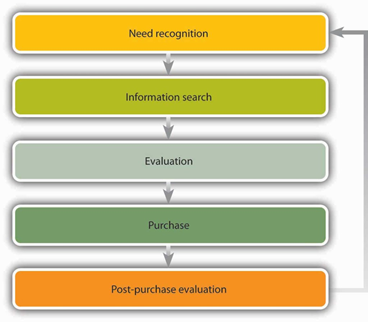
I had already completed step 1: Need Recognition (my tyres had reached a crisis point and were no longer safe to drive) and I was in the process of step 2: Information with the sales assistant rattling off all the pros and cons of each product. Step 3: Evaluation had to be done on the fly. I want to save money but I also want value for money as well as safety. I also didn’t want to get dragged into habitual re-purchasing of a product when there is a better product available so I was open to change. In the end, I weighed the value of buying a cheap and crappy tyre that would barely last a year or spending a bit of extra dosh to get a quality product that would last a lot longer.

Breaking the Bank

Eventually, after much deliberation (all 3 minutes of it) I decided to make the adult choice and go with the expensive but safe option.

References:

https://go.roberts.edu/leadingedge/the-great-choices-of-strategic-leaders

https://www.reuters.com/brandfeatures/venture-capital/article?id=81446

Glamping: Slumming it in Style

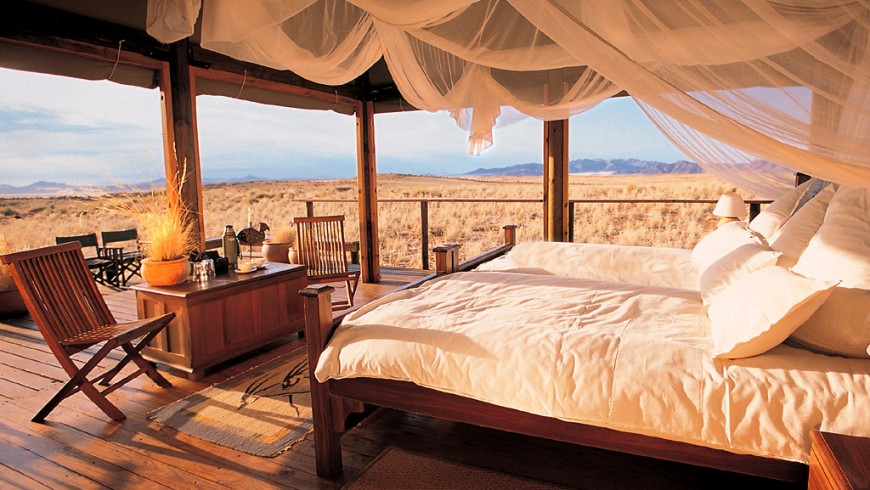
Camping, in the traditional sense, was once a way for people to feel at one with nature but unfortunately it can be an uncomfortable experience. When you think of camping, it is generally accompanied by images of a leaky tent, creepy crawlies in your sleeping bag and eating unrecognizable non-perishables out of a tin.

Image: https://ecobnb.com/blog/2015/08/eco-friendly-glamping-italy/

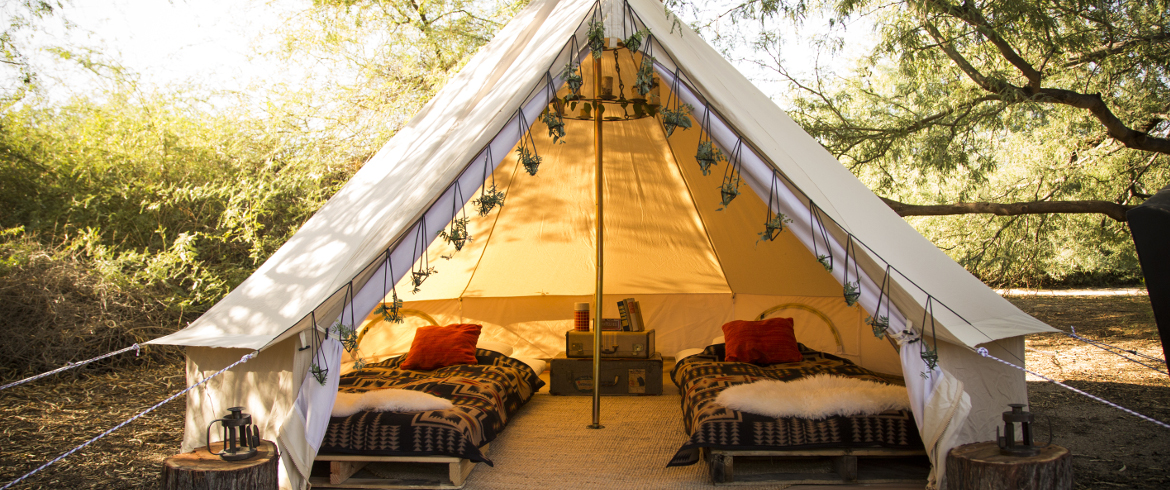
Introducing ‘glamping’ (glamourous or luxury camping), in which you need not forego the comforts of home simply because you’re spending the weekend in the bush. Glamping is a relatively new trend that only came into being a few years ago. It removes all of the bothersome aspects of camping such as setting up a tent and sleeping on the ground, while still allowing you access to pristine nature reserves (Boscoboink, A. and Bourquard, E., 2012. Glamping and Rural Imaginary. From Production to Consumption. Transformation of Rural Communities. Münster: Lit Verlag, pp.157-159).

Image: https://ecobnb.com/blog/2015/08/eco-friendly-glamping-italy/

Glamping has come about with a new generation of adults who don’t want to compensate when it comes to their holidays. They want to have their cake and eat it too. Glamping proves that luxury and comfort don’t have to be a casualties of getting it touch with nature.

Image: https://www.outdoria.com.au/blog/what-is-glamping

This unique trend offers a great alternative for those consumers who shy away from being identified as “tourists” which often comes with a negative connotations. Instead consumers may be characterised as travelers, free spirits and explorers (
Sakáčová, K.L., 2013. GLAMPING–Nature served on silver platter. Aalborg University, pp. I-II.).

References:
Boscoboink, A. and Bourquard, E., 2012. Glamping and Rural Imaginary. From Production to Consumption. Transformation of Rural Communities. Münster: Lit Verlag, pp.157-159.

Sakáčová, K.L., 2013. GLAMPING–Nature served on silver platter. Aalborg University, pp. I-II.