
Motivations are the cause behind every decision a person makes. It is the drive that compels them to act and behave a certain way and influences all of their purchase decisions. Solomon et al. (2018) defines motivation as the “activation of goal-oriented behaviour”. In the context of marketing, it is generally referring to the drive a consumer feels to satisfy their needs. Marketers must answer the question: why do consumers purchase their brand? Understanding motivation is crucial to understanding why consumers buy a certain brand. Many marketers closely relate the topic of motivation to Maslow’s Hierarchy of Needs when considering how to fulfil the needs of their target market.
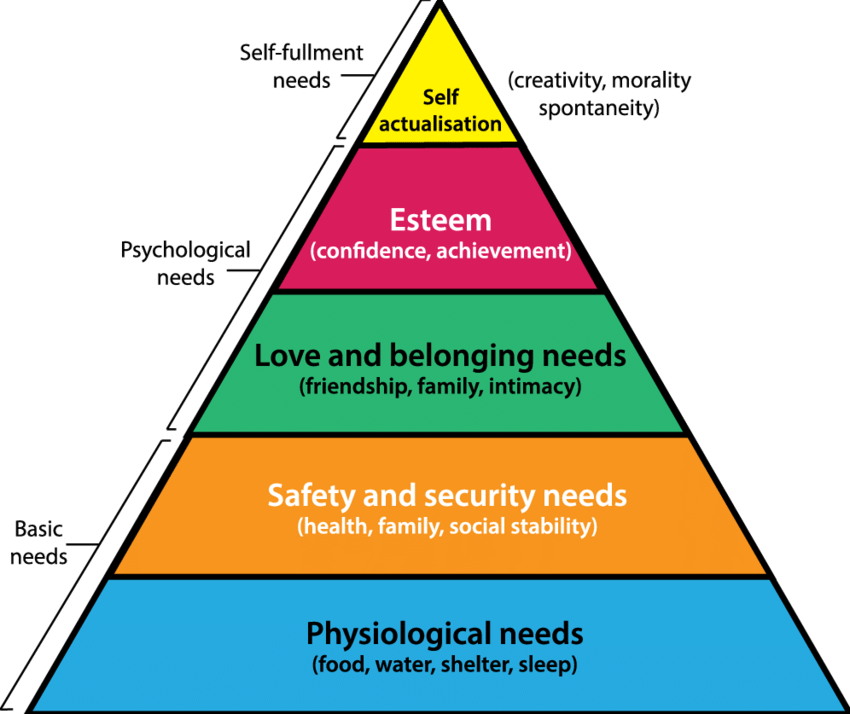
The lowest levels of the hierarchy involve fulfilling the most basic human needs to survive. These physiological needs include shelter and food whilst the highest. The higher up the tiers, the more complex the needs become, and it is thought that that the lower needs must be satisfied first before the higher order needs can be met or addressed. We are constantly striving to progress up the pyramid and satisfy the next set of needs.
Although mostly categorized as belonging to the “Esteem” tier of Maslow’s model, with the launch of Dove’s “Campaign for Real Beauty”, the brand has pushed itself upwards somewhat more towards “Self-actualization”. The brand uses their advertisements in order to reduce the disparity between consumer’s actual and ideal selves. The campaign challenges traditional ideas of beauty and markets themselves as “the largest provider of body confidence education in the world”.
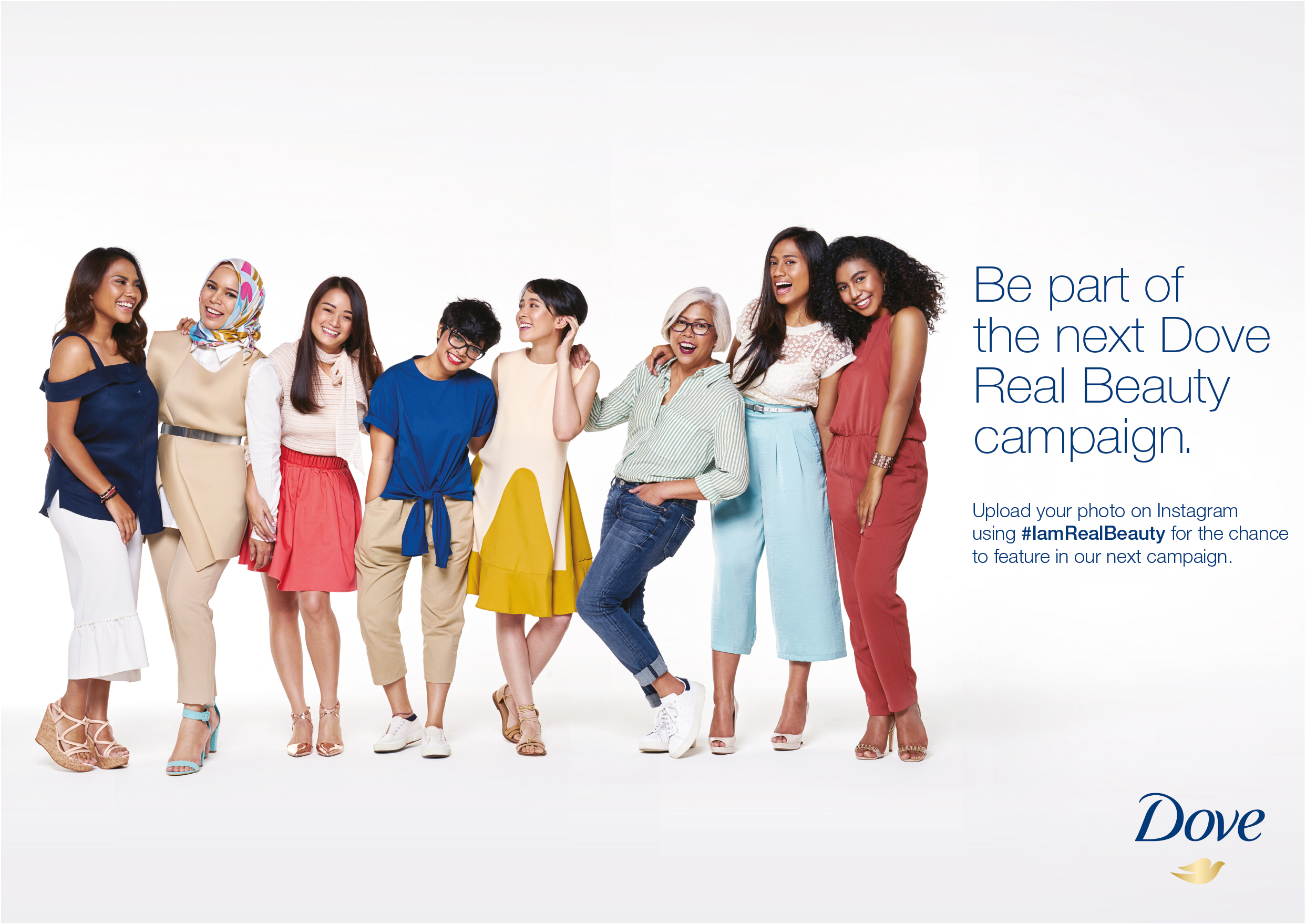
Dove delivers body confidence and self-esteem by using a diverse range of body shapes and claiming that no images have been enhanced or photoshopped for their ad campaigns. The application of the self-congruence theory in their advertisements by using average looking women served to create an emotional connection with consumers which is demonstrated by a study in 2015 (Khanom, 2015) in which the majority of 16-24-year-old consumers stated that Dove boosted their confidence as it promotes the perception of “real” beauty. Consumers with both high and low self esteem are motivated to feel good about themselves and are likely to form a positive emotional connection with the brand through their promotions. Consumers with a high self-esteem will form this bond through the process of self-verification while those with low self-esteem use self enhancement.
Research shows that the vast majority of young girls and women are concerned with their appearance. Dove’s campaign assures these women that not only that they can look beautiful, but that they already are beautiful… with Dove products.
References:
Image 1- https://www.researchgate.net/figure/Maslows-1943-hierarchy-of-needs_fig1_309827408
Image 2- https://www.aforadio.com/events/announcing-iamrealbeauty-casting-the-real-women-of-malaysia-for-dove-s-next-real-beauty-campaign-aforadio-com
Video- https://www.youtube.com/watch?v=wpM499XhMJQ
 Uni Blogging