
Camping, in the traditional sense, was once a way for people to feel at one with nature but unfortunately it can be an uncomfortable experience. When you think of camping, it is generally accompanied by images of a leaky tent, creepy crawlies in your sleeping bag and eating unrecognizable non-perishables out of a tin.
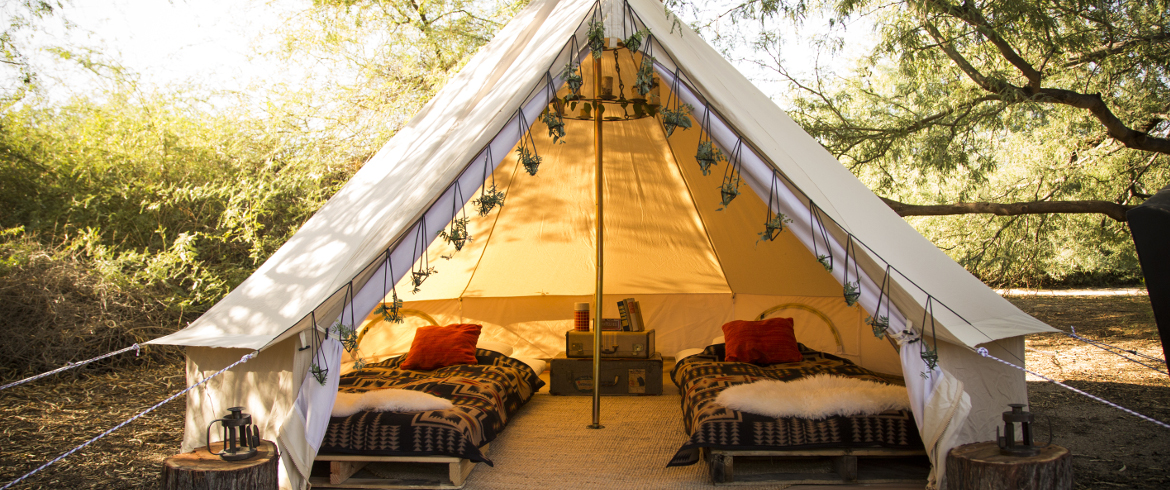
Introducing ‘glamping’ (glamourous or luxury camping), in which you need not forego the comforts of home simply because you’re spending the weekend in the bush. Glamping is a relatively new trend that only came into being a few years ago. It removes all of the bothersome aspects of camping such as setting up a tent and sleeping on the ground, while still allowing you access to pristine nature reserves (Boscoboink, A. and Bourquard, E., 2012. Glamping and Rural Imaginary. From Production to Consumption. Transformation of Rural Communities. Münster: Lit Verlag, pp.157-159).
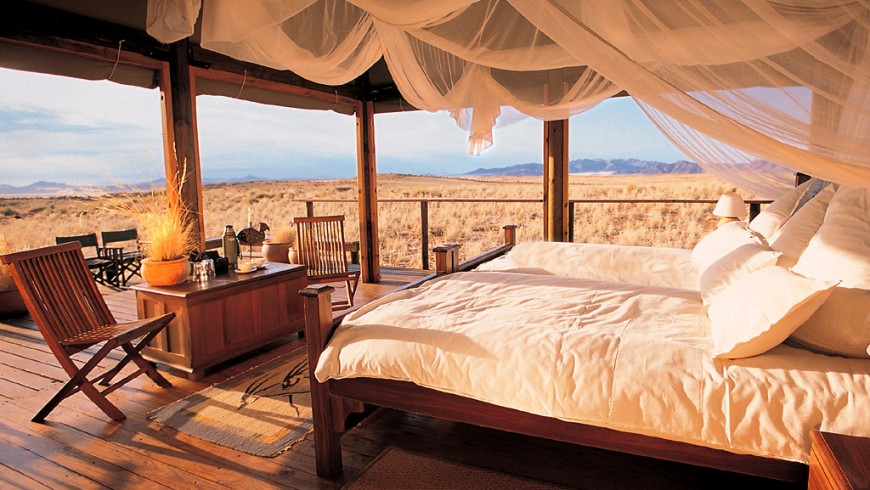
Glamping has come about with a new generation of adults who don’t want to compensate when it comes to their holidays. They want to have their cake and eat it too. Glamping proves that luxury and comfort don’t have to be a casualties of getting it touch with nature.

This unique trend offers a great alternative for those consumers who shy away from being identified as “tourists” which often comes with a negative connotations. Instead consumers may be characterised as travelers, free spirits and explorers (
Sakáčová, K.L., 2013. GLAMPING–Nature served on silver platter. Aalborg University, pp. I-II.).
References:
Boscoboink, A. and Bourquard, E., 2012. Glamping and Rural Imaginary. From Production to Consumption. Transformation of Rural Communities. Münster: Lit Verlag, pp.157-159.
Sakáčová, K.L., 2013. GLAMPING–Nature served on silver platter. Aalborg University, pp. I-II.
 Uni Blogging